
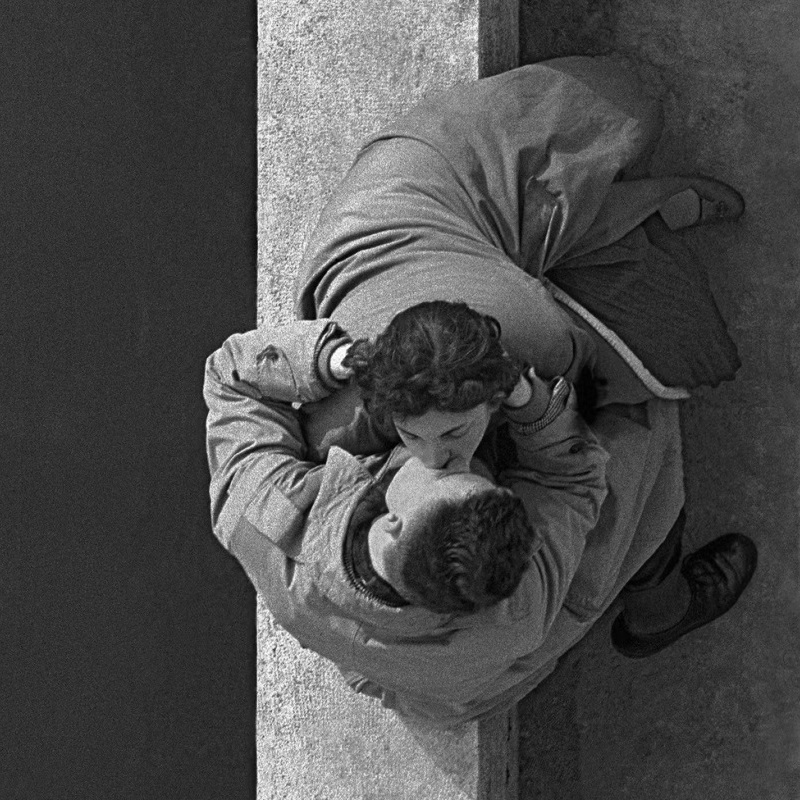
Frank Horvat


English and Italian translation of the exhibition catalogue published by Electa
Rome, Terme di Caracalla, 11 September 2026 – 10 January 2027

A long career spent travelling the world, telling ever-new stories. Promoted by the Special Superintendency of Rome, the exhibition pays tribute to photographer Frank Horvat, exploring his work through 72 photographs displayed amid the monumental ruins of the complex.
Born in 1922 in Abbazia, now Opatija in Croatia, and based at different times in Lugano, Milan, London and Paris, Horvat redefined the boundaries of photography by bringing together seemingly opposing worlds. He rose to prominence in the 1950s and 1960s through his fashion photography and work for publications such as Vogue and Harper’s Bazaar, but over the course of his seventy-year career he approached social and travel reportage, landscape photography, portraiture, the relationship with art and digital experimentation with the same freedom and intensity.
The photographs on display are divided into three significant phases. One of the baths’ gymnasia houses portraits devoted to the female world, ranging from models on fashion shoots, often captured in everyday settings and through street photography, to women portrayed in reportages produced in countries from Pakistan and India to Brazil, Senegal, Egypt and Japan. A group of images comes from photo shoots made in Rome in the early 1960s for Harper’s Bazaar, featuring celebrated models of the period alongside figures from the worlds of culture and cinema, such as Alberto Moravia and Marcello Mastroianni.
The female figure is also central to the second section: in the Vere sembianze series, Horvat vies with painting, engaging in a dialogue with the great portraitists of the past. The final section is devoted to the Goethe in Sicilia cycle, created in the early 1980s. Fascinated by the culture of the Greek temples, Rococo culture and popular traditions alike, Horvat focuses on the island’s distinctive natural environment and landscapes, engaging with the pages of Italian Journey and discovering a profound affinity with the German writer’s Romantic vision.